Permanent collections
What is actually in the building
- Agricultural implements
- Horse-drawn and early tractor-era equipment, most of it donated by the families that farmed with it. Includes a restored 1918 grain drill. approx. 340 objects
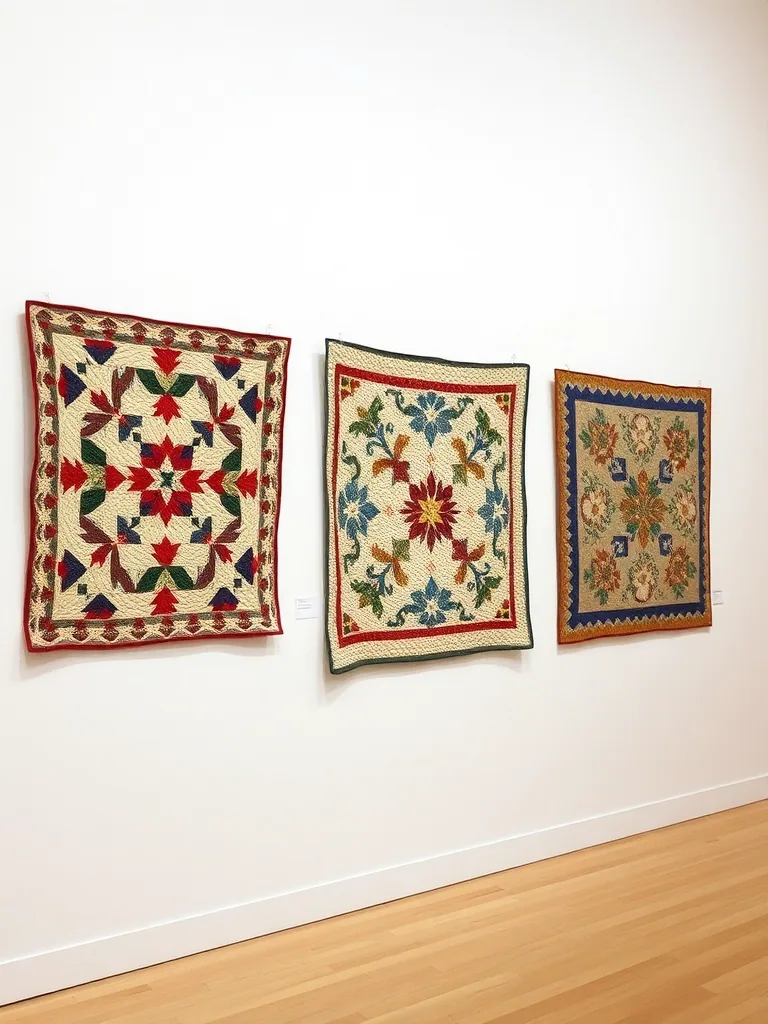
- Textiles and quilts
- Pieced quilts from the 1870s onward, coverlets, samplers, and a run of local 4-H needlework. approx. 210 objects
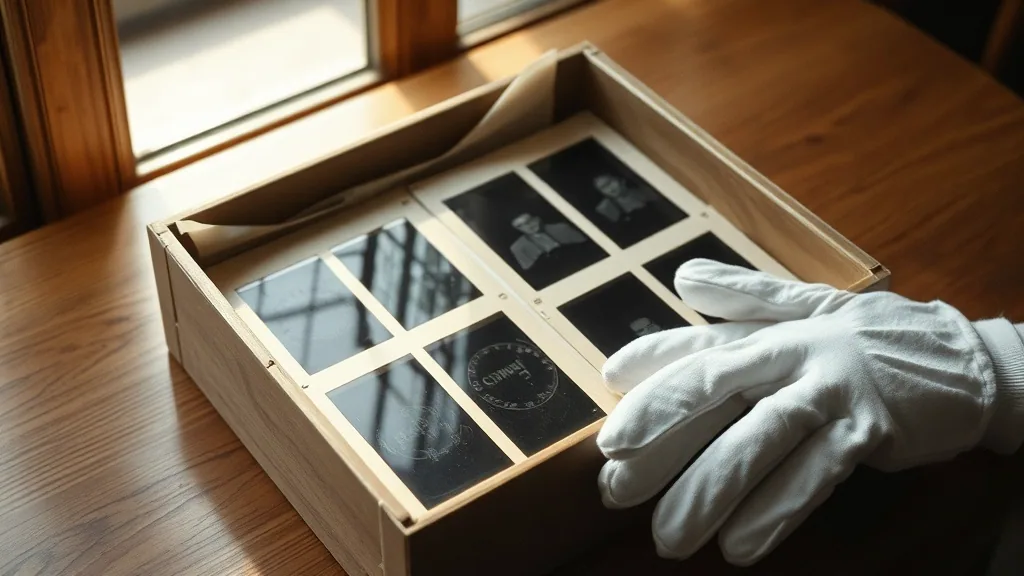
- Photographic archive
- Glass plate negatives, studio portraits, and a large run of main street and flood photography. Roughly a third is catalogued and searchable. approx. 14,000 images
- Newspapers on microfilm
- The county papers, near-continuous from 1871 to 1994, on two readers available during open hours. 123 years
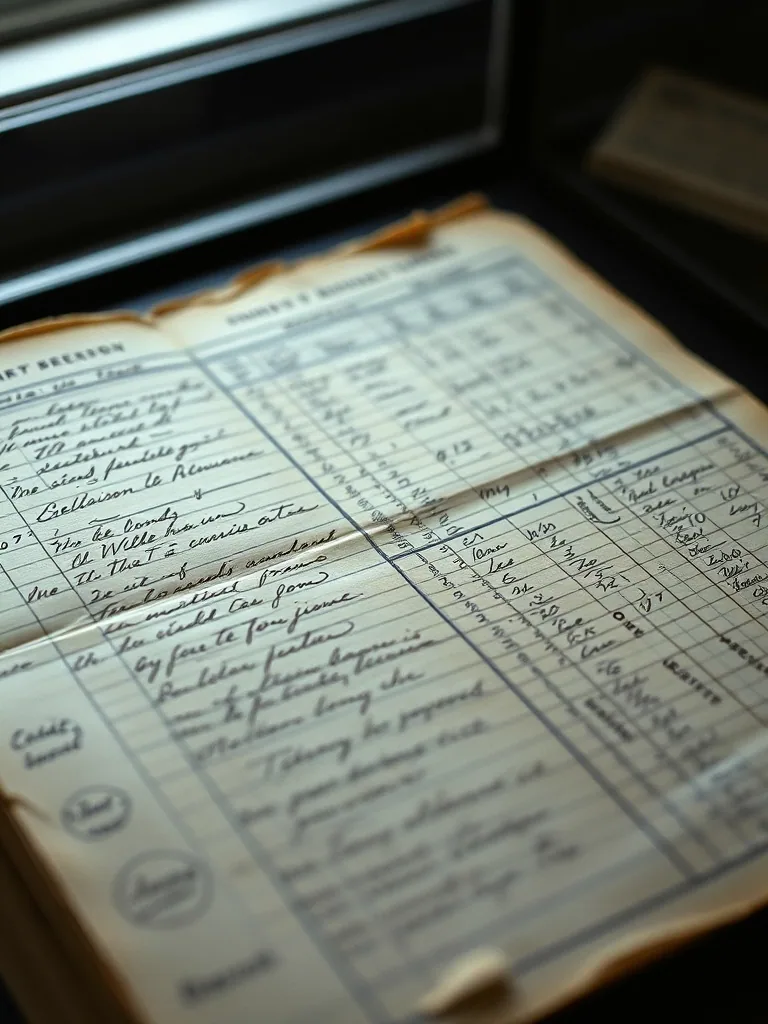
- Civil War and border period
- Correspondence, muster records, and material relating to the guerrilla conflict along the river. The most requested part of the archive. approx. 900 documents
- Cemetery and burial records
- Transcriptions and plot maps for 71 cemeteries in the county, including eleven that are no longer marked on the ground. 71 cemeteries
- School records
- Registers, class photographs and closing records for the rural district schools, most of which consolidated between 1948 and 1962. 54 districts
- Business and plat records
- Store ledgers, bank books, abstracts of title, and the plat books that people most often come in to trace a fence line with. approx. 480 volumes
- Military service files
- A file per known county service member from the Spanish-American War forward, assembled by volunteers over about thirty years. approx. 2,600 files
Research requests
If you cannot come in, a volunteer will look for you
Most people who need this archive live somewhere else and are trying to settle one specific question: where a great-grandmother is buried, which quarter section the family farmed, whether a name in a Bible matches a name on a muster roll.
Send what you know, and be specific about the dates. A request that says "the Halloran family, 1880s, probably Ray or Clay county" is workable. A request that says "everything you have on the Hallorans" is not, and will come back asking the same question. Fees cover the volunteer's time and the copying, and they are what keeps the lights on.
| Request | What you get | Fee |
|---|---|---|
| Single-name lookup | One name checked against the surname files, cemetery index and obituary index. Up to thirty minutes. | $15 |
| Extended search | Up to two hours across the archive, with a written summary of what was searched, including where nothing was found. | $45 |
| Obituary retrieval | Scan from microfilm, emailed. Needs a death date within about two years. | $8 |
| Photograph reproduction | High resolution scan and a permission letter for personal or publication use. | $20 |
| Plat or deed trace | One parcel followed through the plat books across a stated period. | $35 |
| Members | Annual membership includes two single-name lookups and waives copy fees. | $30/yr |
Requests go to the research desk at (816) 555-0111, Wednesday to Saturday afternoons, or by post to the address below. Turnaround is usually two to four weeks, and longer in the weeks around the county fair.
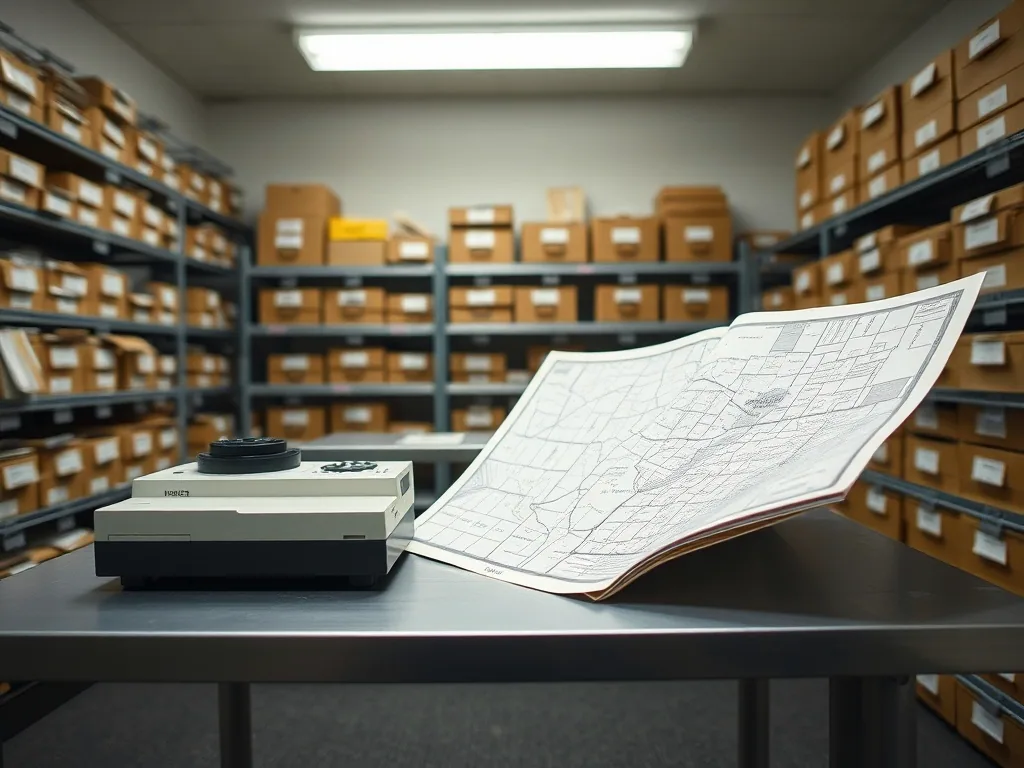
Before you send a request
Have a name spelled the way it appears on a document, not the way the family says it now. Spellings moved a great deal before 1900.
Give a date range you are confident in, even a wide one. A twenty-year window is more useful than a guessed year.
Say what you have already checked. Volunteers spend a lot of time re-finding census records the requester already had.
Say what the answer is for. A fence-line dispute and a family tree need different documents, and knowing which one it is changes where we look first.
Schools and groups
Booked visits, two weeks ahead
Groups of eight or more need to be booked, because the building is staffed by two volunteers on a normal afternoon and eleven fourth-graders will comfortably overwhelm that.
The standard school visit runs about ninety minutes: the farm room, the one-room schoolhouse reconstruction, and a handling session with objects that are allowed to be picked up. It is built to sit alongside the Missouri social studies strand for grades three to five, and teachers who want it aimed somewhere else should say so when booking.
There is no charge for school groups. Adult and society groups are asked for a donation. Call (816) 555-0111 to put a date on the calendar.
Hours and admission
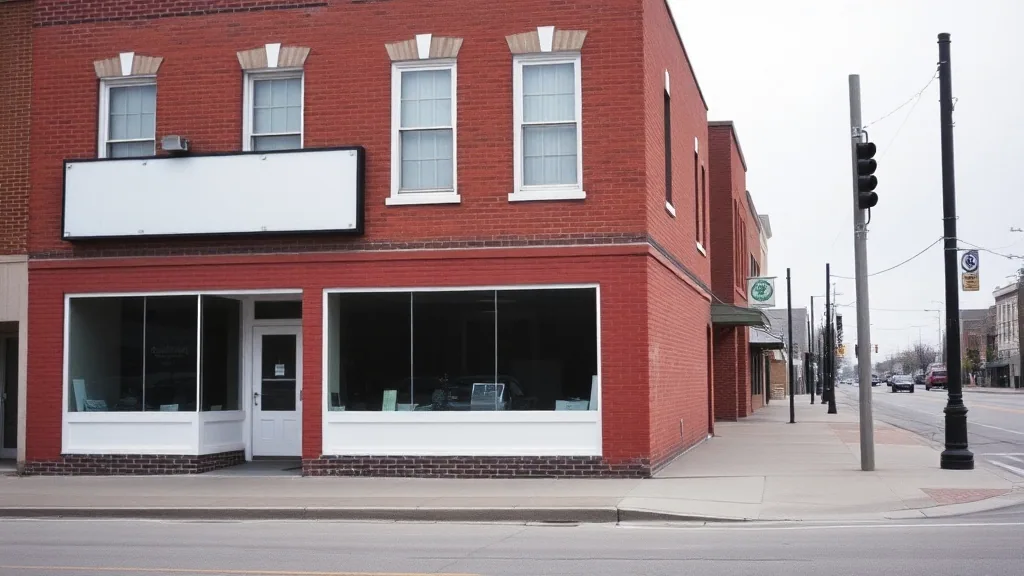
123 Main Street
Admission is free. Donations go to the archive, which is where the running costs actually are. Street parking, and a ramp at the side entrance off the alley. The upper floor is reached by stairs only, and a volunteer will bring material down for anyone who needs it.
| Wednesday to Friday | 1:00 to 5:00 p.m. |
|---|---|
| Saturday | 10:00 a.m. to 4:00 p.m. |
| Sunday to Tuesday | Closed |
| Research desk | Wednesday to Saturday |
Closed dates
Fair week in August, the week of Thanksgiving, and from Christmas Eve through New Year's Day.
The building is also closed on any afternoon the volunteer roster comes up short, which happens a few times a winter. Phone ahead if you are driving more than half an hour.